Wildlife, Ecosystems, and Field Initiatives
Khyber Nature Society works to protect the rich biodiversity of northern Pakistan, from forests, rivers, wetlands, and rangelands to valleys and high mountain ecosystems.
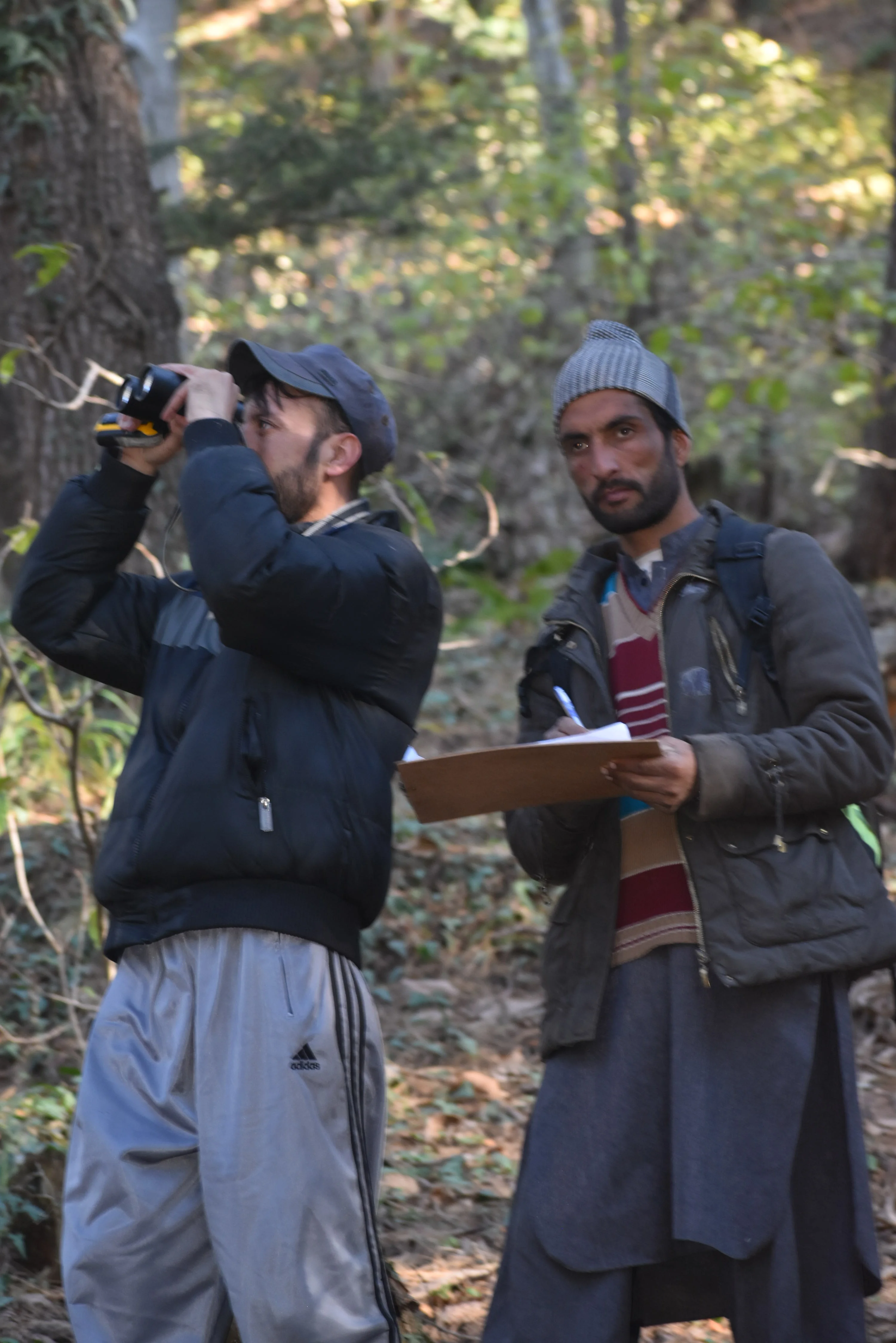
Our biodiversity work focuses on the protection of wildlife, native plants, and natural habitats that support healthy ecosystems and local communities. We give attention to threatened and lesser-known species, including mammals, birds, reptiles, amphibians, fish, insects, plants, and other important forms of life.
Through field initiatives, community engagement, awareness, and collaboration, Khyber Nature Society helps promote respect for nature and practical conservation action across the region. Our wider goal is to protect biodiversity, strengthen ecosystem health, and conserve the natural heritage of northern Pakistan for future generations.
Community Conservation and Coexistence
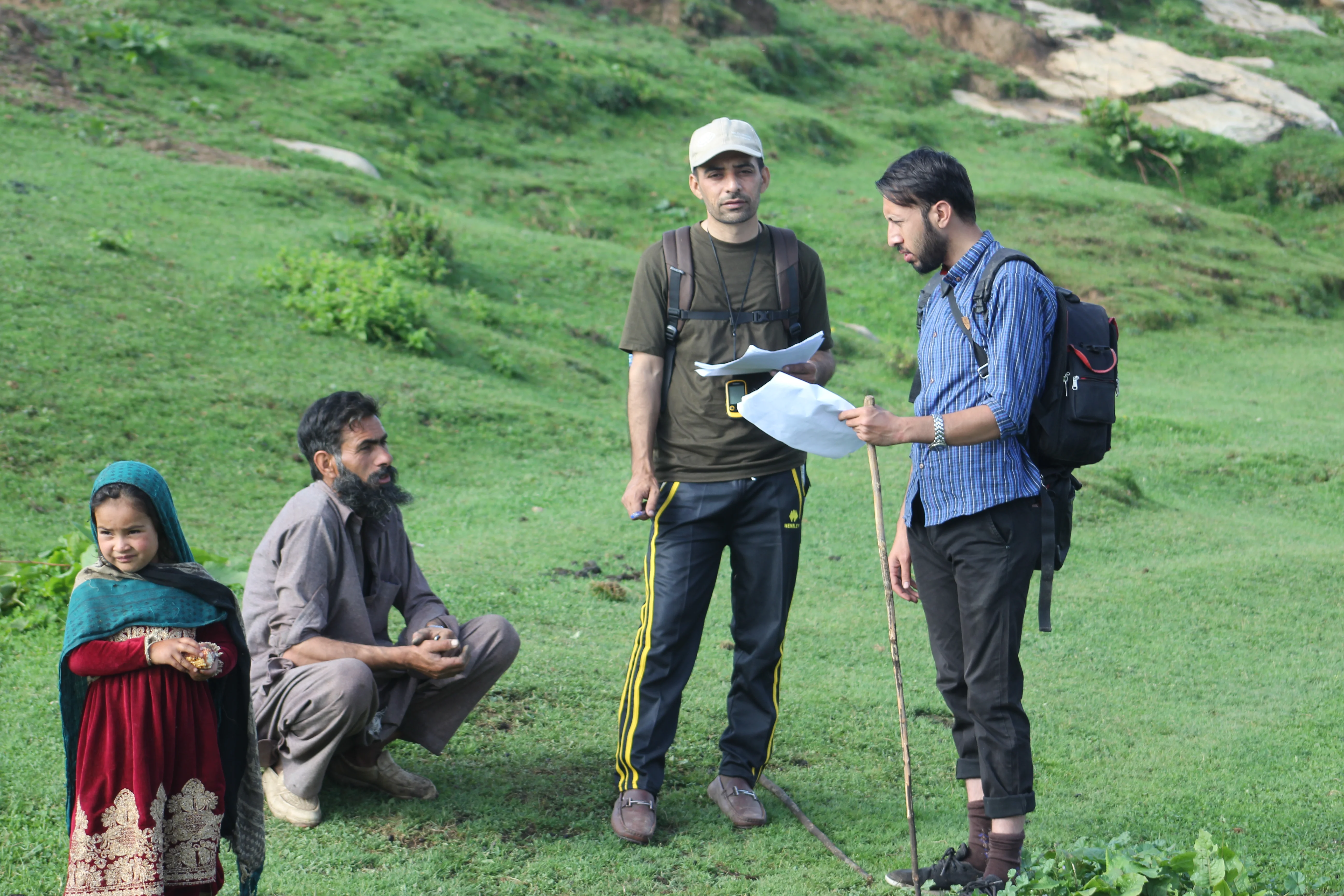
Khyber Nature Society supports conservation and coexistence work in landscapes where people and wildlife share the same space. This includes community trust-building, local awareness, conflict documentation, and practical field support.
Examples include work related to common leopard conservation in Ayubia National Park, black bear conflict in Kaghan, and other human–wildlife conflict situations across northern Pakistan.
Pakistan Himalayan Langur Project
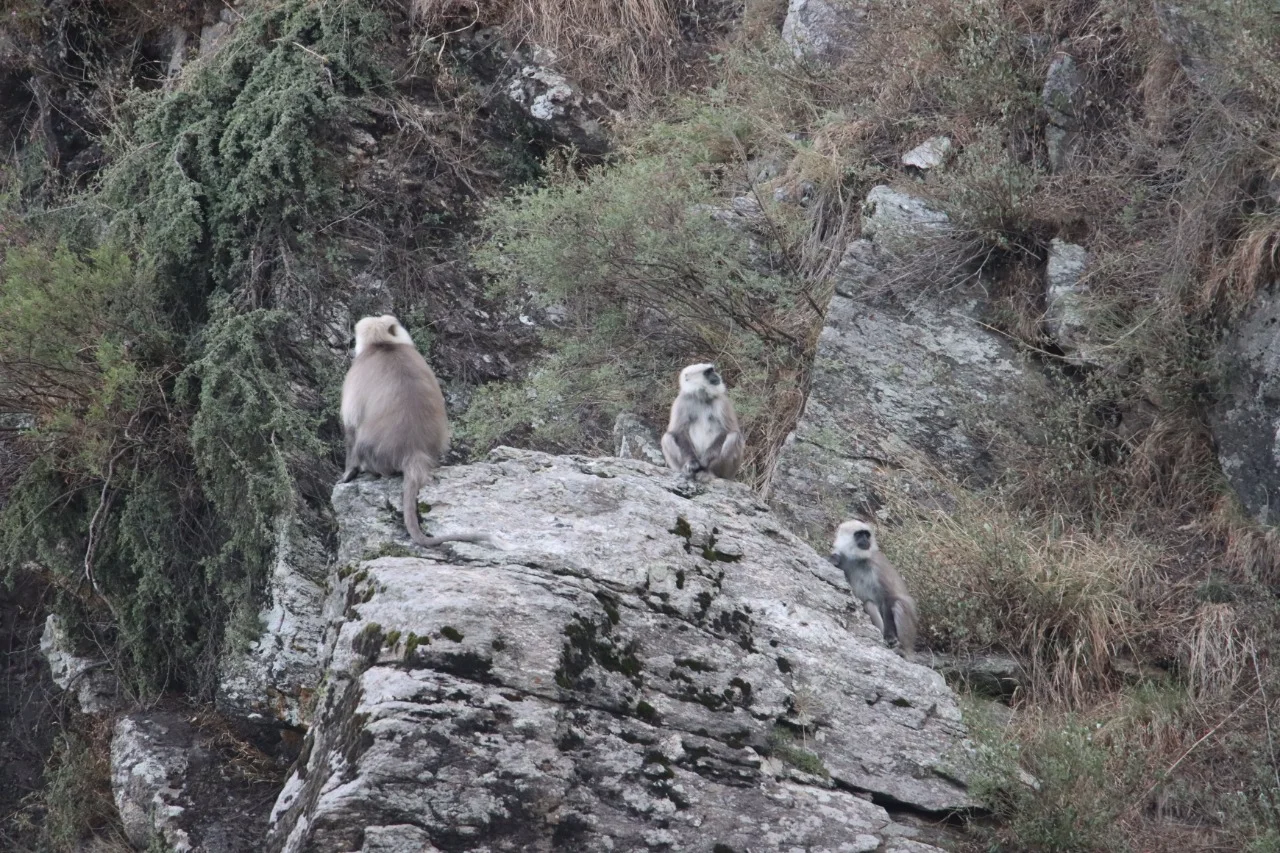
The Pakistan Himalayan Langur Project is a focused conservation and research initiative of Khyber Nature Society dedicated to one of Pakistan's least-studied mountain primates. The project aims to understand where the species occurs, how many individuals may remain, which habitats are most suitable, and how different populations may be connected across the landscape.
Through field surveys, habitat mapping, community engagement, and conservation genetics, the project is helping build a clearer conservation picture of the Kashmir / Himalayan gray langur in Pakistan. This information will support long-term planning for habitat protection, population connectivity, and community-based conservation.
Visit Pakistan Himalayan Langur Project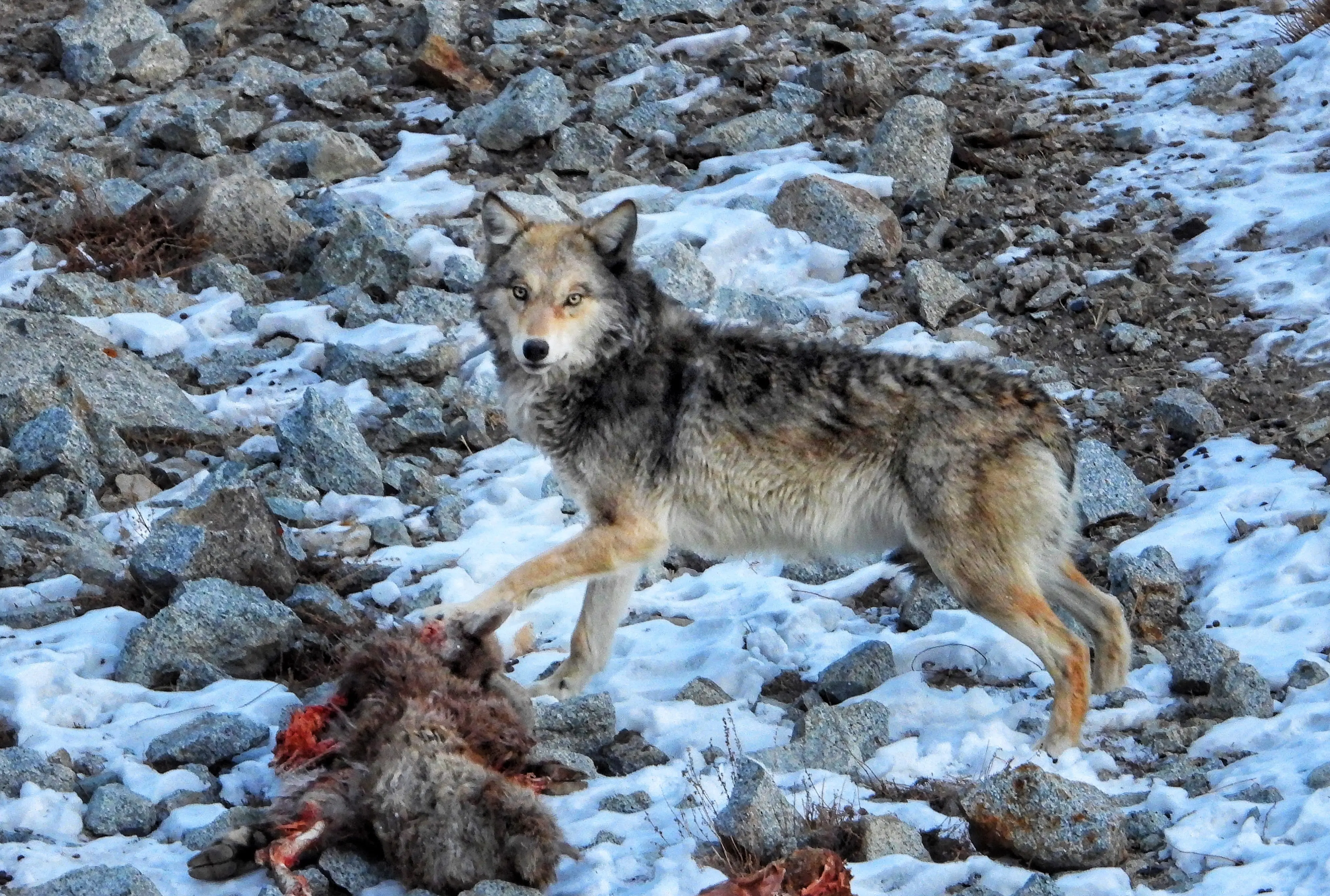
Grey Wolf Baseline Initiative
Khyber Nature Society initiated baseline work on grey wolf conservation in 2026 to improve understanding of its presence, distribution, local status, and conservation needs in Pakistan.
The grey wolf is an important but often overlooked predator in Pakistan's mountain and rangeland ecosystems. As a top predator, it plays a key role in maintaining ecological balance, but it also faces increasing pressure from habitat disturbance, prey decline, negative perceptions, and conflict with local communities.
Through this initiative, Khyber Nature Society aims to document field evidence, gather community knowledge, identify priority areas, and support future conservation planning for the species.

Building a Biodiversity Gene Bank
Khyber Nature Society is working to collect, document, and preserve biological samples from wildlife in northern Pakistan as an early step toward a future biodiversity gene bank. This resource can support conservation genetics, DNA barcoding, eDNA studies, population monitoring, reference genome development, disease-risk assessment, and other modern molecular tools for biodiversity conservation.
Many rare, threatened, and overlooked species in the region remain poorly studied at the molecular level. Properly preserved and ethically collected samples can help researchers understand genetic diversity, population connectivity, local adaptation, species identity, and conservation priorities. Through ethical sample collection, laboratory partnerships, and research collaboration, this initiative supports evidence-based conservation and aligns with wider global biodiversity goals, including the UN Sustainable Development Goals, especially Life on Land, and the UN Convention on Biological Diversity.
Contribute a Record from Northern Pakistan
Help Khyber Nature Society document wildlife and biodiversity across northern Pakistan. You can share a species sighting, camera-trap record, field sign, conflict record, carcass, roadkill, or legally collected biological sample. These records help improve biodiversity knowledge, conservation planning, and future research.
Please do not disturb, capture, or harm wildlife. Biological samples should only be reported if they were collected legally, ethically, or non-invasively, such as scat, hair, feathers, roadkill, carcass, or samples collected through approved fieldwork.