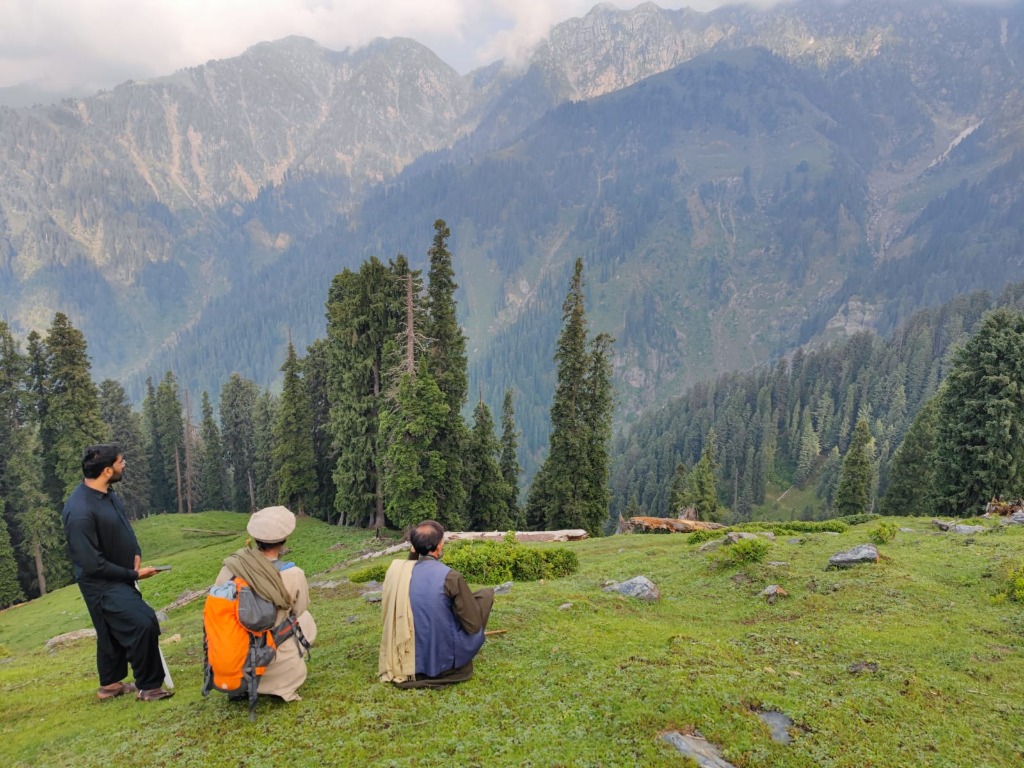
Khyber Nature Society is a nonprofit conservation organization based in Peshawar Pakistan, established in 2026 under the Societies Registration Act, 1860. Working across northern Pakistan, the Society focuses on community-based conservation, livelihood support and community wellbeing, capacity building, education and outreach, climate adaptation, resilient landscapes, and research for conservation action.
Khyber Nature Society works closely with communities, wildlife staff, students, researchers, and conservation partners. We believe conservation becomes stronger when local knowledge, scientific tools, and community participation come together.
Our Mission
To protect biodiversity and natural ecosystems through community-based conservation, education, field action, capacity building, research support, and local conservation leadership.
Our Vision
A future where wildlife, ecosystems, and communities thrive together across the forests, valleys, rivers, and mountain landscapes of northern Pakistan.
Our Story
Khyber Nature Society began with a simple idea: conservation should start where people and nature meet.
Born from field experience in the mountains, forests, and valleys of northern Pakistan, the Society works to turn local knowledge, youth energy, and practical research into action for wildlife, ecosystems, and communities.
Governance & Registration
Khyber Nature Society is a registered nonprofit conservation organization in Khyber Pakhtunkhwa, Pakistan. The organization is guided by a small team and board members committed to transparent, responsible, and field-based conservation work.
As Khyber Nature Society grows, this section will include updates on governance, policies, reports, and organizational transparency.
Where We Work
Khyber Nature Society works across northern Pakistan, with a focus on mountain landscapes, protected areas, forests, valleys, river systems, and community-managed areas where biodiversity and local livelihoods are closely connected.
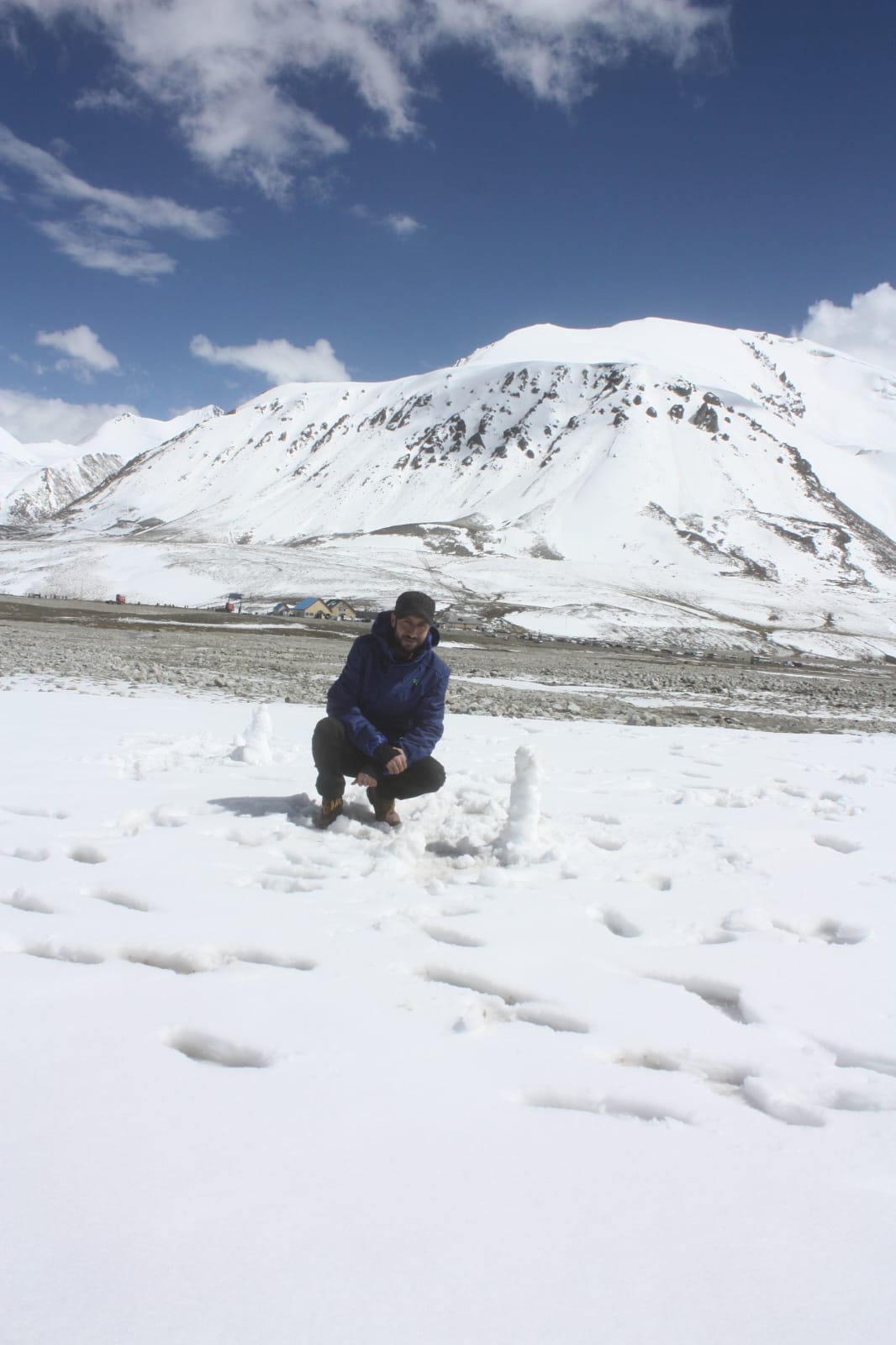
Our work is rooted in the high-altitude landscapes of the Hindu Kush, Karakoram, and Western Himalayas, where fragile mountain ecosystems support rare wildlife and local communities. From remote valleys to alpine rangelands, we focus on the places where conservation action is needed most.